 Loading... Please wait...

Our Newsletter
- Home
- How to buy a swimming warm suit
How to buy a swimming warm suit
Posted on 1st Jun 2019 @ 12:19 AM
A suitable swim thermal wear is essential for learning to swim in winter. However, with so many options available, many people mistakenly think that rash guards are the same as thermal wetsuits. This article explains the differences between wetsuits and rash guards, the characteristics of different materials, and key considerations when purchasing, helping you choose the most suitable swimming gear for yourself or your children.
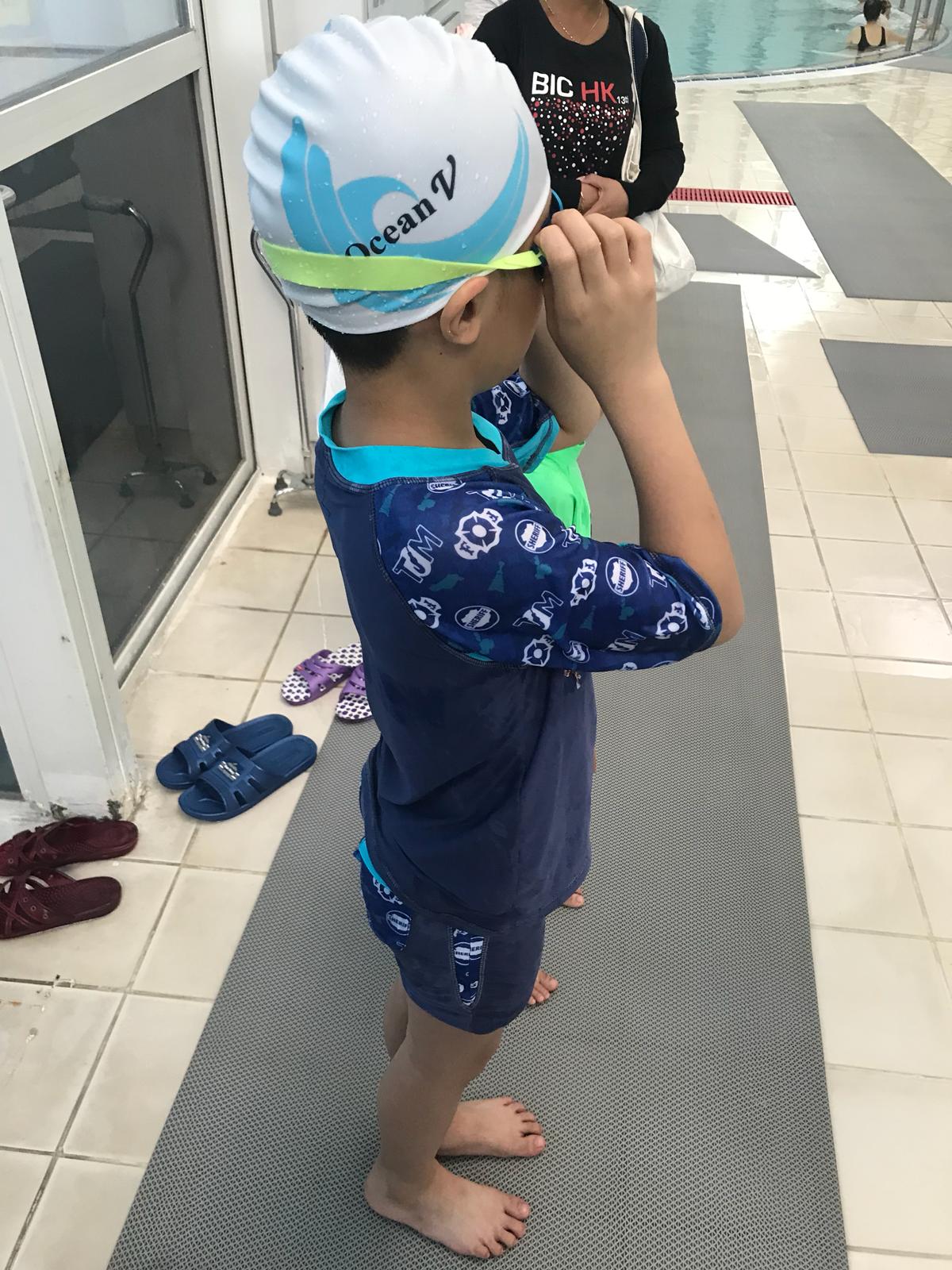
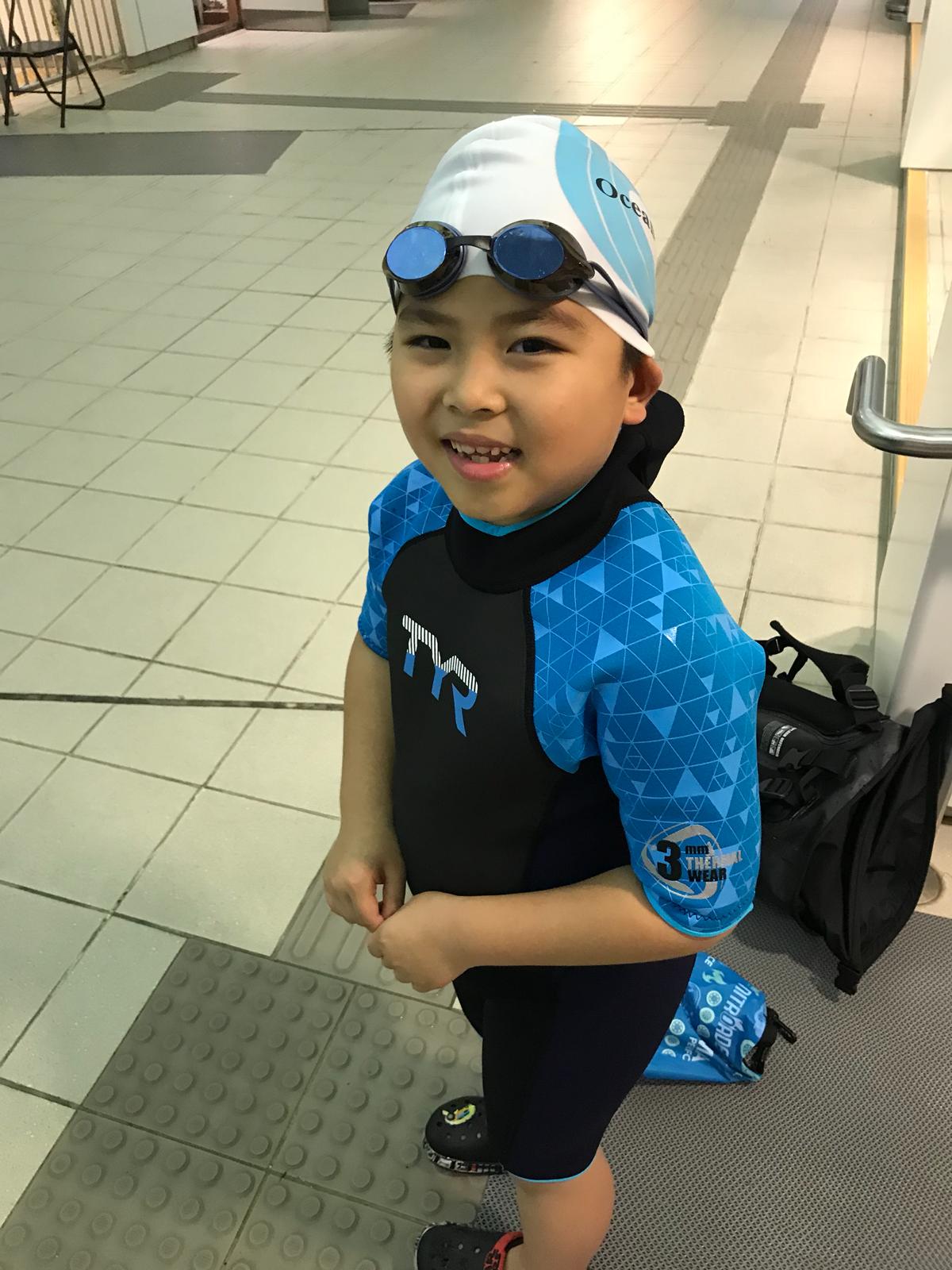 Children's rash guards come in various styles with UV protection, quick-dry, and breathable features, but they do not provide warmth
Difference Between Rash Guards and Thermal Wetsuits
Many people assume that any swimwear worn on the upper body is a thermal wetsuit. In fact, rash guards and wetsuits are two completely different products:
| Feature | Rash Guard | Thermal Wetsuit |
|---|---|---|
| Thickness | Very thin | Thicker (2-5mm) |
| Material | Lightweight breathable fabric | Neoprene |
| Main Function | UV protection, quick-dry, breathable | Insulation, durability, windproof |
| Thermal Effect | None | Yes |
| Suitable Season | Summer | Winter / Year-round |
| Styles | Long sleeve, short sleeve, various colours | Short sleeve, long sleeve, full body, vest |
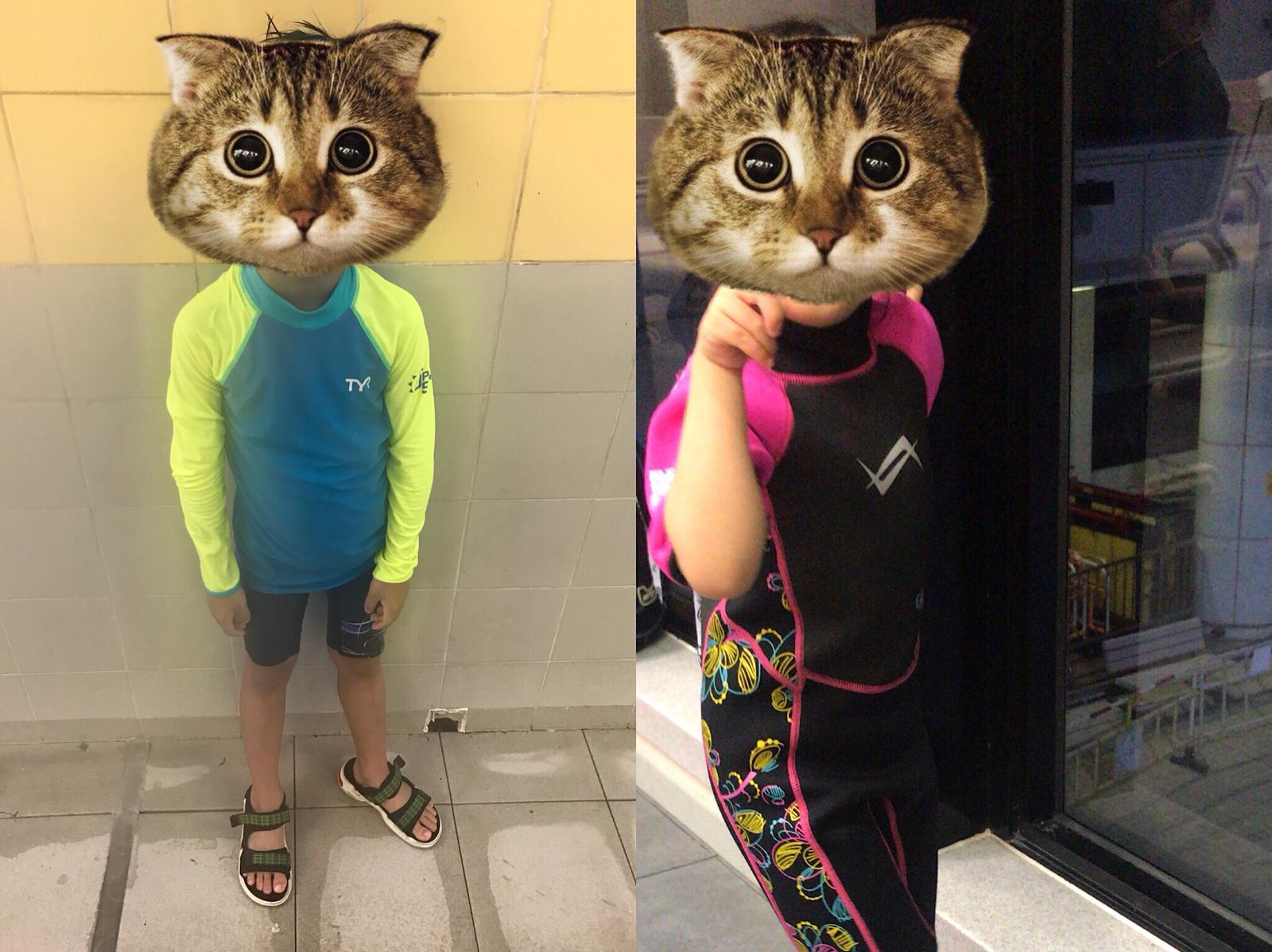 Left: Rash Guard (thin, breathable, no thermal insulation) Right: Thermal Wetsuit (thick, neoprene, insulating)
Important reminder: Although rash guards come in many styles and colours and are widely available, they do NOT provide warmth! For winter swimming, you must wear a dedicated swim thermal wetsuit.
What is Swim Thermal Wear?
Swim thermal wear is specialised insulating equipment made from neoprene. The inner layer features different designs, including towel lining and super-stretch lining, providing insulation and durability. Wearing a thermal wetsuit while swimming in winter effectively maintains body temperature, allowing you to comfortably learn to swim even in cold weather.
Three Types of Wetsuit Materials
1. Neoprene (Basic)
- Suitable for: Warm water temperatures
- Features: Effectively provides warmth and comfort
- Design: Front and back feature windproof coating, keeping you warm even in cold winds
- Ideal for: General winter swimmers, indoor heated pool students
2. Towel Lining
- Suitable for: Cold water temperatures
- Features: Lightweight neoprene with enhanced thermal properties
- Design: Inner thermal layer features towel-like fibres that stay close to the skin, providing superior warmth
- Sleeves: Made with super-stretch fabric for unrestricted arm movement
- Ideal for: Outdoor pool students, people sensitive to cold
3. Super-Stretch Lining
- Suitable for: Cold water temperatures
- Features: Entire suit made with ultra-high stretch fabric, providing surprising comfort and flexibility
- Design: Extremely high elasticity conforms to different body types
- Ideal for: Comfort-seekers, people with non-standard body shapes
Wetsuit Style Options
Swim thermal wear comes in various styles depending on coverage and warmth requirements:
- Vest style: Covers torso, arms move freely
- Short sleeve: Includes half-sleeve, elbow-length, and three-quarter sleeve options
- Long sleeve: Full arm protection
- Separates: Top or bottom only
- Full body suit: Complete coverage, maximum protection
Tips for Choosing Thermal Wear
When purchasing swim thermal wear, keep these key points in mind:
1. Must Try On - Don't Rely on Age or Height Alone
Thermal wetsuits must fit snugly to be effective. Everyone's body proportions differ, so people of the same age or height may need different sizes. Always try before buying to ensure proper fit.
- Don't buy too large: Loose fit allows cold water to seep in, losing thermal effect
- Don't buy too small: Tight fit restricts movement and causes discomfort
2. Check the Crotch Area
The most important area to check when determining if a wetsuit fits properly is the crotch:
- There should be approximately one inch of space at the crotch
- Besides asking children if it's comfortable, parents must personally check and assess
- Too tight causes discomfort; too loose affects thermal performance
3. Buy Early to Avoid Stock Shortages
Summer holidays are peak swimming season. Waiting until July to buy often results in:
- Popular sizes sold out
- Fewer style choices
- Potentially higher prices
Recommendation: Buy in May or June for more styles and sizes to choose from.
Wetsuit Care Tips
Proper care extends the lifespan of your swim thermal wear:
- After each use: Rinse with fresh water to remove chlorine and salt
- Drying: Air dry in a shaded area, avoid direct sunlight
- Storage: Lay flat or hang; avoid folding to prevent creases
- Avoid: Washing machines, tumble dryers, bleach
Ocean V Swimming Classes
Good habits should start from childhood! With the right thermal wear, you can comfortably learn to swim even in winter. Ocean V Sport Club offers swimming classes year-round for continuous improvement:
Course Options
- Infant Swimming Classes: Ages 3-4, building water confidence and safety awareness
- Children's Swimming Classes: Ages 5-12, 6-level grading system
- Swim Team Training: Advanced training for competitions
- Private/Group Classes: Flexible arrangements
Ocean V grows with you, helping your children go further! If you have friends or family who want to learn to swim, recommend Ocean V Sport Club to them today and join our swimming classes together!
Contact Us
Wishing you happy learning!
- Online Registration: Click here to fill in the registration form
- WhatsApp: Ivan Sir 5202 1340 (Please state your name, contact method, and enquiry)
- Email: info@oceanv.net
- Website: www.oceanv.net
- Facebook: Ocean V Sport Club Facebook Page